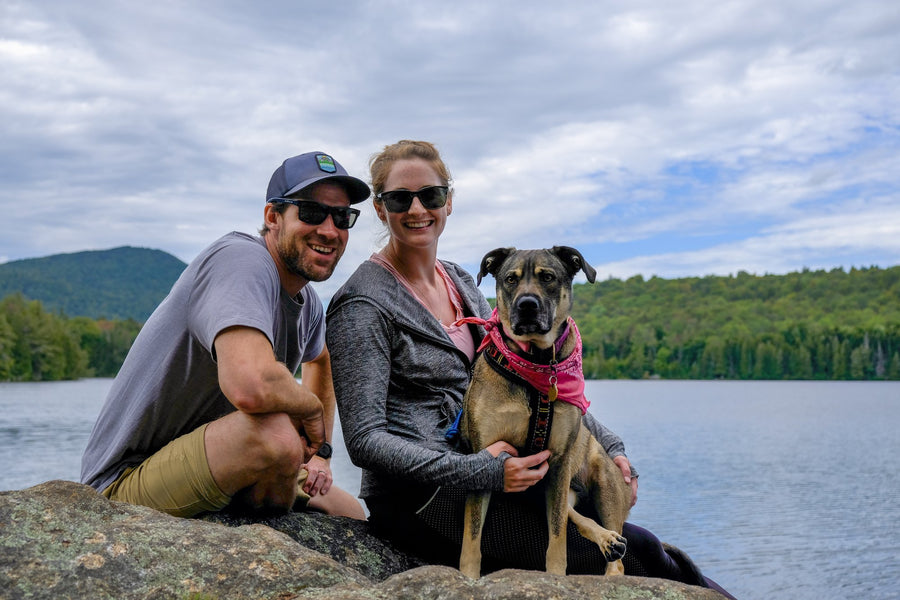


Boreas Ponds: Hiking, Paddling, Camping & More in the Adirondacks

The Boreas Ponds Tract is one of the most exciting additions to the Adirondack Forest Preserve in recent memory. Purchased by New York State in 2016, this 20,000-plus-acre landscape sits at the southern edge of the High Peaks region — a mix of logged-over forest returning to wild, wetland flats, and a 320-acre pond complex that frames one of the most jaw-dropping mountain views in the entire park. Whether you're paddling three interconnected ponds with Gothics and Marcy looming overhead, skiing a quiet forest road in January, or hiking in for a few hours with a fishing rod, Boreas Ponds delivers something hard to replicate anywhere else in the Adirondacks.
The APA classified the tract as a combination of Wilderness and Wild Forest. The Wild Forest corridor allows motorized access on Gulf Brook Road to within a short distance of the ponds, while the Wilderness classification merged this land into the High Peaks Wilderness — which now encompasses approximately 275,460 acres, making it the largest wilderness area in New York State and the second largest east of the Mississippi River. (The former Dix Mountain Wilderness is now part of the High Peaks Wilderness Outer Zone.)
Boreas Ponds at a Glance
Getting There
Access is via Blue Ridge Road in North Hudson. Gulf Brook Road takes you into the tract, running roughly 6 miles to a spot known as Four Corners — the main hub of the area. Several designated parking areas line the road along the way; the Four Corners Parking Area is the most commonly used. At Four Corners, turning left takes you onto Boreas Road (vehicles permitted); going right puts you on foot toward the final parking area, which is accessible by vehicle only for those with handicapped permits.
Gulf Brook Road is only open seasonally to motor vehicles. In winter, the gates are closed and the road is left unplowed — which means skiers and snowshoers are adding roughly 12–14 miles round trip depending on where they start. Always check the DEC page for current road status before you head out.
What to Do at Boreas Ponds
This is one of the most versatile recreation areas in the park — you can visit four seasons and barely scratch the surface of what's available.
🚣 Paddling
The premier activity here. Boreas Ponds are actually three interconnected ponds — First, Second, and Third — connected by a dam at the southern end. The views are good from First Pond but build dramatically as you work north. By Second Pond you have an open, unobstructed look at Allen, Boreas Mountain, Skylight, Marcy, Haystack, Gothics, and more. A round-trip to the north end of Third Pond, with time to explore the islands in Second Pond, covers about 5 miles of paddling. The most popular access is a 0.75-mile carry from the Four Corners Parking Area directly to the ponds. Alternatively, put in at LaBier Flow (first water access site, 500 ft from Four Corners) and paddle a short stretch before a 0.5-mile carry to the ponds. No motorized boats — including electric motors — are permitted on any waters of the tract.
🎣 Fishing
All waters within the tract are open to fishing. Boreas Ponds hold brook trout, brown bullhead, and sunfish. The ponds are naturally shallow in most areas, but First Pond has depths reaching 40 feet — if you're targeting brook trout in warm weather, focus your effort in this deeper, colder section. Baitfish are prohibited on all waters of the tract. LaBier Flow also holds brook trout and is worth a cast if you're out there anyway. No license? Bring a fishing rod on any trip regardless — you'll likely want to try your luck.
🚴 Biking
You can bike the full 6.7 miles from Blue Ridge Road to the parking area near the dam, or start from any of the designated parking areas along Gulf Brook Road for a shorter ride. Bikes are prohibited beyond the gate at the Boreas Ponds Parking Area, which sits about 500 feet before the dam. E-bikes of any class are not allowed on any trails or roadways where public motorized access is prohibited — so leave those at home. The stretch is part of the Handlebarley gravel biking event if you're looking for a guided way to explore it.
🐴 Horseback Riding
Close to 17 miles of roadways are open to horses and horse-drawn wagons across the tract, covering sections of Gulf Brook Road, Boreas Road toward White Lily Pond, and beyond the dam. A dedicated equestrian trail map is available from DEC. All riders must carry proof of a current negative Coggins certificate; out-of-state horse owners also need a 30-day health certificate. The nearby Frontier Town Equestrian Campground makes a natural basecamp for multi-day riding trips in the area.
🏹 Hunting & Trapping
All lands within the Boreas Ponds Tract are open to hunting and trapping. Big game includes white-tailed deer and black bear; small game includes snowshoe hare, ruffed grouse, and woodcock. There's an extensive history of deer hunting on this land — several clubs historically worked the area around Moose Mountain and Casey Brook, which are still worth scouting. Follow all DEC seasons and regulations.
🦅 Wildlife Watching
The low, wetland-heavy terrain around the ponds is excellent habitat. Moose have been photographed in the tract. Common loon, bald eagle, osprey, great blue heron, and great horned owl are all possible sightings. The boreal edge around Third Pond is worth scanning slowly. The North River Mountains to the west and Boreas Mountain to the east frame the landscape in a way that's hard to find elsewhere at this elevation.
Camping at Boreas Ponds
Boreas Ponds offers a genuine backcountry experience — no hookups, no amenities, and (for now) very few designated sites. The DEC is still working through its Unit Management Plan for the tract, which means the camping infrastructure is minimal and evolving. Here's what's currently on the ground:
Boreas Ponds Lean-to
The one designated structure in the tract — and by several accounts, one of the nicest newer lean-tos in the Adirondacks. Built on the site of the former lodge, it sits in a clearing with solid views and is about 2 miles in from the Four Corners Parking Area via the old access road. There's no formal trail cut to it yet; access is along the old roadbed. This is the spot if you want to camp near the ponds — plan to arrive with plenty of time to claim it.
Primitive / Backcountry Camping
The entire tract is open to backcountry camping, provided you are at least 150 feet from any water, road, or trail. There have been plans for designated roadside sites along Gulf Brook Road, though we haven't seen an official status update on those yet — check the DEC Boreas Ponds page for the latest. Paddle-in sites on the ponds are also reportedly in the works. Come prepared with Leave No Trace principles and pack out everything you bring in.
Nearby Campgrounds (If You'd Rather Day Trip)
Not everyone needs to stay backcountry. Lake Harris Campground in Newcomb and Sharp Bridge Campground in North Hudson are both reasonable bases for day trips into the tract — DEC actually recommends them for visitors who want more amenities.
Boreas Ponds in Winter
When the gate goes up and the road goes unplowed, Boreas Ponds becomes one of the most remote-feeling destinations in the High Peaks region — even though you're following a dirt road the whole way. The trailhead to the dam is 6.8 miles one way, with the first 2 miles climbing about 600 vertical feet before leveling out through mixed hardwood and then transitioning to a coniferous forest as you approach the ponds. Total on-foot round trip once you factor in time on the ice: typically 14–15 miles.
The terrain is never technical — even a moderately experienced cross-country skier can handle it if they have the legs for the distance. Navigation is straightforward; signs mark the key junction near LaBier Flow. What sets this trip apart from, say, skiing to Avalanche Pass or Lake Colden is the lack of company. The register at the trailhead on a weekday in March might show just one or two other parties in recent days. That solitude, combined with a wide-open view of the High Peaks from the frozen ponds, makes it one of the more memorable winter trips we've done in the park.
Boreas Ponds is the kind of destination that rewards people willing to earn it. The distance keeps the casual visitors away, and the terrain doesn't offer a summit. What it gives you instead is a mountain perspective that almost no one else ever gets to see — from the water, at eye level, surrounded by one of the wildest stretches of land in the Northeast. If you've made the trip, we'd love to hear about it in the comments. Best season, best sighting, best tip for someone planning their first visit.
And if this has you thinking bigger about the High Peaks region, check out some of our other posts:
Gear Up for Your Next ADK Adventure
Adirondack apparel and photography prints, made with the mountains in mind.
Shop Apparel Photography Prints